







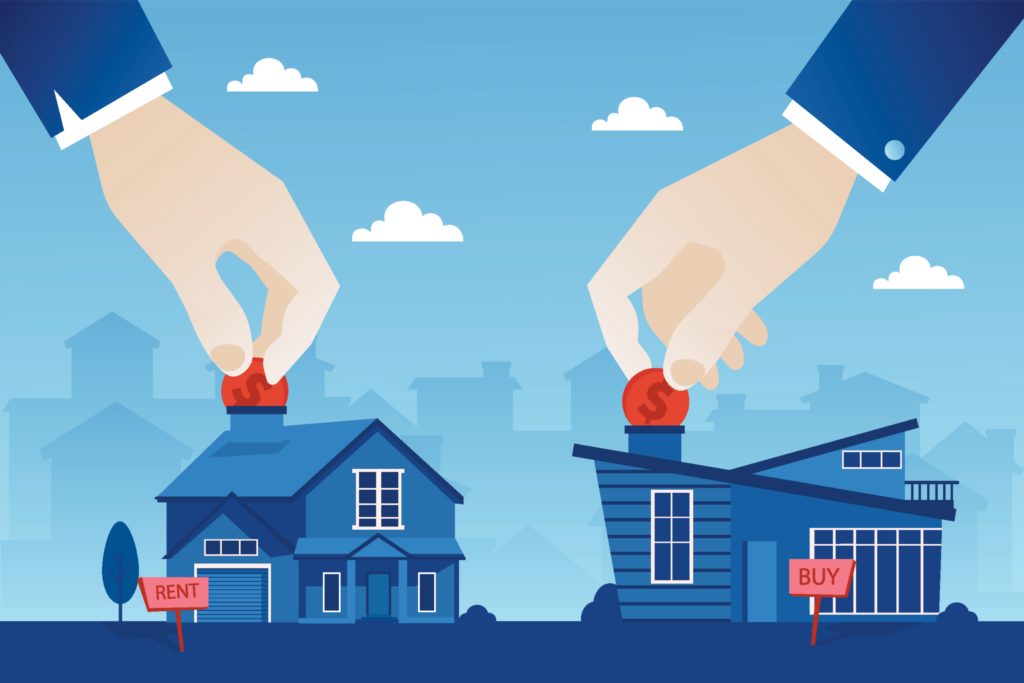
Buying your first home is a big milestone. It can give you more stability, more control over your space, and the opportunity to build equity over time. However, homeownership also comes with additional responsibilities, upfront costs, and ongoing expenses that renters may not have to manage directly.
So, how do you know if owning a home is the right move?
The answer depends on your budget, lifestyle, goals, and how ready you feel to take on the full picture of homeownership. According to Fannie Mae’s homebuying resources, deciding whether to rent or buy is one of the first steps in determining whether you are ready for homeownership.
Renting can be a smart choice when flexibility matters
Renting is not “throwing money away.” For many people, it can be the right choice for their current stage of life.
Renting may make sense if you expect to move soon, want more flexibility, or prefer not to take on the responsibility of home repairs and maintenance. Fannie Mae notes that renting can offer short-term flexibility and movement, along with a more fixed cost during the term of your lease.
Renting may also help you buy time to strengthen your finances before purchasing a home. That could mean building your savings, improving your credit, paying down debt, or deciding where you want to live long term.
Renting may be a better fit if:
- You may move within the next few years.
- You are still building savings for upfront homebuying costs.
- You want fewer maintenance responsibilities.
- You are not sure which neighborhood or community fits your long-term plans.
- You want more time to prepare financially before buying.
If you are deciding between renting or owning, check out our rent affordability calculator to see what monthly rent you can afford.
Buying may make sense when you are ready for roots and responsibility
Buying a home can offer benefits that renting usually does not. You may gain more control over your space, more stability, and the potential to build equity over time. Fannie Mae identifies long-term consistency and the ability to build equity as key benefits of homeownership.
Owning may also help you create a stronger sense of connection to your community. You can make the home your own, settle into a neighborhood, and plan for the future with more confidence.
But buying also means taking on responsibility. The Consumer Financial Protection Bureau notes that the ongoing cost of owning a home can include more than principal and interest, such as mortgage insurance, property taxes, homeowners insurance, HOA fees, maintenance, repairs, and utilities.
Buying may be a better fit if:
- You plan to stay in the area for several years.
- You have steady income and savings.
- You feel comfortable managing maintenance and repairs.
- You want more control over your home.
- You understand the full cost of ownership, not just the mortgage payment.
- You are ready to make a long-term financial commitment.
Check out our mortgage affordability calculator to see how much mortgage you can afford.
Compare the full cost, not just rent vs. mortgage
When people compare renting and buying, they often start with one question: “Would my mortgage payment be more or less than my rent?”
That is important, but it does not tell the whole story.
The cost of buying a home includes more than the monthly principal and interest payment. Fannie Mae lists several potential homebuying and ownership costs, including the down payment, closing fees, property taxes, homeowners insurance, private mortgage insurance, utilities, maintenance, and possible HOA or condo fees.
The Consumer Financial Protection Bureau also notes that closing costs typically range from 2% to 5% of the home purchase price, not including the down payment.
Before deciding to buy, make sure you understand costs like:
- Down payment
- Closing costs
- Monthly mortgage payment
- Property taxes
- Homeowners insurance
- Private mortgage insurance, if applicable
- HOA or condo fees, if applicable
- Utilities
- Repairs and maintenance
- Moving costs
- Emergency savings for unexpected expenses
A home may feel affordable based on the mortgage payment alone, but the full monthly and upfront costs may tell a different story.
Why the decision feels harder right now
If buying your first home feels more difficult than it did for previous generations, you are not imagining it.
The National Association of REALTORS® reported that the share of first-time homebuyers fell to a historic low of 21% in 2025, while the median age of first-time buyers rose to 40. The Joint Center for Housing Studies of Harvard University also reported that high home prices and interest rates have made homebuying more difficult, while rising insurance premiums and property taxes have added pressure for homeowners.
Renting may also cost less than buying in many markets right now. According to Realtor.com’s March 2026 Rental Report, buying a starter home in the top 50 metros cost an average of $920 more per month than renting, or 55.1% higher. The same report found that renting was the more affordable option across all 50 of the largest metros in its analysis.
That does not mean buying is the wrong choice. It means timing matters. The right decision depends on your local housing market, current rent, home prices, mortgage rates, savings, and how long you plan to stay in the home.
Questions to ask before buying your first home
Before you decide whether to keep renting or start shopping for a home, ask yourself a few honest questions.
How long do I plan to stay? Buying may make more sense if you plan to stay in the home long enough to offset the upfront costs of purchasing.
Do I have savings beyond the down payment? You may need money for closing costs, moving expenses, repairs, and emergencies. The Consumer Financial Protection Bureau recommends estimating closing costs and subtracting that amount from your available cash to better understand how much you may have left for a down payment.
Can I handle surprise expenses? Renters often call a landlord when something breaks. Homeowners usually need to pay for repairs themselves.
Is my income steady? A mortgage is a long-term commitment, so stable income can make the transition to homeownership more manageable.
Is my credit in good shape? Your credit can affect your mortgage options, interest rate, and overall cost of borrowing.
Do I know what monthly payment fits my budget? The payment you qualify for and the payment you feel comfortable making may not be the same. Build your budget around what gives you room to save, spend, and handle the unexpected.
Am I ready for the responsibility of owning? Homeownership can feel rewarding, but it also requires time, planning, and ongoing maintenance.
You do not have to figure it out alone
Buying your first home comes with a lot of decisions, but you do not have to make them by yourself. Freddie Mac recommends that first-time homebuyers talk with a lender or housing counselor about mortgage options, down payment assistance programs, and what may fit their situation.
A conversation with a mortgage specialist can help you better understand:
- How much home may fit your budget
- What upfront costs to prepare for
- How your credit and income may affect your options
- What loan programs may be available
- Whether now is the right time to buy or whether it may make sense to keep preparing
The goal is not just to buy a home. The goal is to buy a home in a way that supports your financial confidence today and in the future.
Did you know that Sun East has mortgage programs designed to make home ownership more affordable? Learn more about our 40-Year Fixed-Rate Mortgage and our Community Heroes Mortgage Program to discover if you are eligible for lower monthly payments or a 0.25% interest rate reduction¹.
So, should you rent or buy?
There is no one-size-fits-all answer.
Renting may be the right choice if you need flexibility, want fewer responsibilities, or are still preparing financially. Buying may be the right choice if you are ready to settle in, manage the costs of ownership, and take the next step toward building long-term stability.
The best decision is the one that fits your life, your budget, and your goals.
If you are thinking about buying your first home, Sun East can help you explore your options, understand what may fit your budget, and take your next step with confidence.
Ready to learn more? Talk with a Sun East mortgage specialist today.
Sources
- Fannie Mae: Rent vs. Buy: What’s Right for You?
https://yourhome.fanniemae.com/buy/rent-vs-buy-whats-right-you - Consumer Financial Protection Bureau: Prepare your money situation before you buy a home
https://www.consumerfinance.gov/language/cfpb-in-english/prepare-your-money-situation-before-you-buy-a-home/ - Consumer Financial Protection Bureau: Figure Out How Much You Want to Spend
https://www.consumerfinance.gov/owning-a-home/prepare/figure-out-how-much-you-want-to-spend/ - National Association of REALTORS®: First-Time Home Buyer Share Falls to Historic Low of 21%; Median Age Rises to 40
https://www.nar.realtor/newsroom/first-time-home-buyer-share-falls-to-historic-low-of-21-median-age-rises-to-40 - Joint Center for Housing Studies of Harvard University: New Report Highlights Unease in Housing Market Amid Worsening Affordability Crisis
https://www.jchs.harvard.edu/press-releases/new-report-highlights-unease-housing-market-amid-worsening-affordability-crisis - Realtor.com: March 2026 Rental Report: Rent Declines for the 20th Month in a Row
https://www.realtor.com/research/march-2026-rent/ - Freddie Mac: Three Pro Tips for First-Time Homebuyers
https://myhome.freddiemac.com/blog/homebuying/three-pro-tips-first-time-homebuyers
¹Private Mortgage Insurance (PMI) is required for loans with an LTV exceeding 80%, and a maximum debt-to-income (DTI) ratio of 50% is permitted. Eligible properties are limited to single-family residences or one-unit condos used as primary residences; investment properties, second homes, manufactured homes, and duplexes are not eligible. When all buyers are first-time homebuyers, at least one occupying homeowner must complete homeowner education through a Housing and Urban Development (HUD)-approved agency. Grants are not permitted, and escrow is required for property taxes and homeowners insurance. Applicants must be U.S. citizens or permanent resident aliens, meet membership eligibility requirements, and provide a full Federal National Mortgage Association (FNMA) 1004 appraisal.